


Veneers: are they permanent, and are they right for you?
Veneers are a much talked-about – and much misunderstood – treatment in cosmetic dentistry. Take a look online and you’ll find conflicting claims: that they last forever, that they ruin your teeth, that they’re only for celebrities, that you’re best going abroad. Our cosmetic dentistry team hears these myths in the consulting room every week, so we’ve put together a straight-talking, myth-busting guide.
Something to know about veneers is while they’re not “permanent” in the sense of lasting forever without maintenance, the process of fitting traditional porcelain veneers is permanent in one important way – a thin layer of enamel is usually removed to fit them, and that enamel doesn’t grow back. The veneers themselves are a long-term, replaceable restoration, not a one-time-only fix.
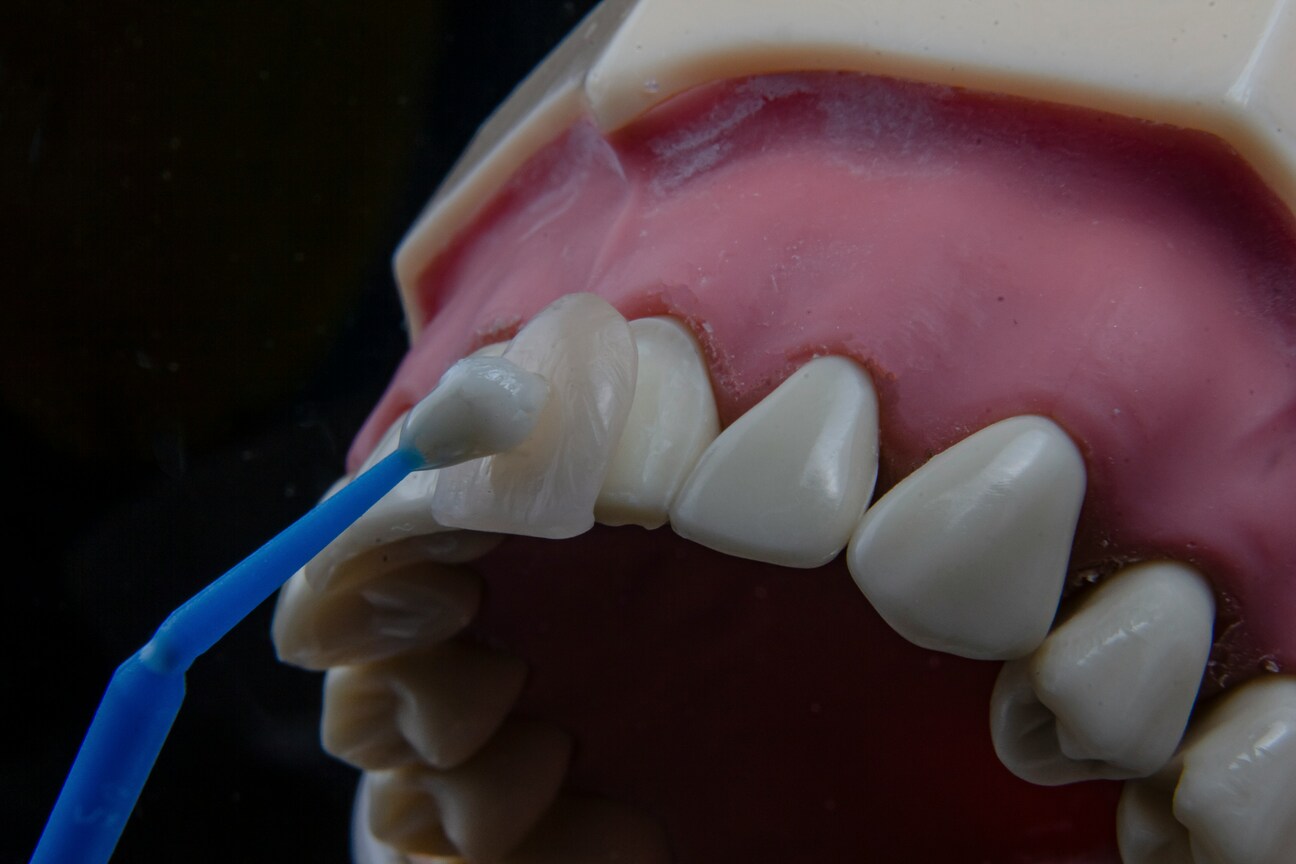
Myth 1: “Veneers last forever”
No cosmetic restoration lasts forever, and veneers are no exception. Porcelain veneers are a long-term solution, but they aren’t indestructible. They can last up to 30 years, depending on several factors, such as dental care and hygiene, lifestyle factors and general care.
What determines how long yours will last:
- The material (porcelain vs. composite – porcelain is generally more durable and stain-resistant)
- How well you look after them (cleaning, regular hygienist visits)
- Whether you grind or clench your teeth at night (a night guard can help protect them)
- Diet and habits (biting nails, opening packets with your teeth, etc.)
Many patients have had the same veneers for years, sometimes decades, but they should still be seen as a restoration that may eventually need replacement.
Myth 2: “The procedure is completely reversible”
We probably spend more time talking about this point than any other. Some patients arrive thinking the veneers can simply be removed if they change their mind later, but this isn’t the case.
With traditional porcelain veneers, because some enamel is permanently removed, that tooth will need some form of covering (a veneer, crown, or similar restoration) essentially indefinitely.
This is why a good cosmetic dentist will:
- Discuss whether you’re a suitable candidate before recommending veneers
- Explain exactly how much enamel (if any) needs to be removed for your case
- Talk you through reversible alternatives, such as composite bonding or teeth whitening, if they might suit your goals
There are some “no-prep” or minimal-prep veneer systems that remove little to no enamel. But these aren’t suitable for every tooth or every smile goal, and whether a particular case qualifies is a clinical judgement your dentist needs to make in person.
Myth 3: “Veneers will make my teeth look fake”
This myth largely comes from outdated images of the thick, opaque, uniformly white veneers that were common decades ago. Modern porcelain veneers are very different. They’re thin, translucent, and custom-shaded to match, or subtly enhance, your natural tooth colour.
A well-planned veneer treatment typically involves:
- A specialist assessment of your natural smile, face shape, and goals
- Digital or physical mock-ups so you can preview the result before any preparation happens
- Careful shade and shape matching by the dental technician and clinical team
With the right planning and skill, veneers can have a completely natural look.
Myth 4: “Anyone can get veneers”
Veneers aren’t automatically the right treatment for everyone. Your dentist needs to assess things like the condition of your existing enamel; whether you have active gum disease or untreated decay (these usually need to be addressed first); whether you grind or clench your teeth; and the overall bite and alignment of your teeth.
If veneers aren’t a good fit, a good cosmetic dentist should be willing to say so and suggest alternatives, such as composite bonding, whitening, or orthodontics, rather than pushing ahead regardless.
Myth 5: “Once they’re fitted, you don’t need to think about them again”
Veneers still need looking after, much like your natural teeth. You will need to have regular dental check-ups and hygienist visits, If you grind or clench your teeth, we’d also recommend a night guard. It’s even more important with veneers to avoid using your teeth as tools (opening bottles, biting nails, etc.). And should you ever chip a veneer or feel one coming loose or extra sensitive, prompt attention is advised.
Veneers can chip or crack under enough force, just as natural teeth can.
Frequently Asked Questions
Are dental veneers permanent?
The veneers themselves aren’t permanent. They’re a long-term restoration that will eventually need replacing. What is effectively permanent is the tooth preparation.
How long do veneers last?
This varies by material, how well they’re cared for, and individual habits like teeth grinding. Always ask your dentist about the expected lifespan for your particular case.
Can veneers be removed or reversed?
Traditional porcelain veneers are not usually reversible once the tooth has been prepared. A damaged or worn veneer can be replaced with a new one, but the tooth will need some form of covering going forward. Some minimal- or no-prep veneer systems remove little to no enamel, but suitability depends on your individual teeth and goals – this is a clinical judgement your dentist makes in person.
Do veneers ruin your natural teeth?
Not when the procedure is done well and the veneers are properly cared for. But it’s a decision worth making with full information about the alternatives, including composite bonding or teeth whitening, which don’t require permanent enamel removal.
Is the process painful?
Most patients find the preparation and fitting process comfortable, often with local anaesthetic used if enamel is being removed. Some temporary sensitivity to hot or cold is common in the days after fitting and typically settles down.
How much do veneers cost?
Cost depends on several factors, including the number of teeth being treated, the material used, and the complexity of your case. For an accurate quote, it’s best to book a specialist assessment where your dentist can put together a bespoke treatment plan.
Will veneers look natural?
Modern porcelain veneers are thin, translucent, and custom shade-matched to your natural teeth, so a well-planned result should be difficult to distinguish from natural enamel. Digital or physical mock-ups before treatment let you preview the result beforehand.
So – are veneers right for you?
Veneers can be an excellent option if you want to improve the colour, shape, size, or alignment of your front teeth, or address damage from chips, wear, or staining. But because the tooth preparation is generally irreversible, it’s worth going into the decision with realistic expectations about longevity, upkeep, and the alternatives available.
We would always recommend a proper assessment with a dentist who can examine your teeth and talk you through what would actually be involved for your specific smile.
Curious whether veneers could work for you? Our cosmetic dentistry team at Holland Park Dental Centre in Kensington offers specialist assessments and digital smile previews. That way you can see a mock-up of your potential new smile before committing to anything. Book a consultation or send us a photo of your smile to get started.
Sorry, the comment form is closed at this time.